Rockhill borough
Ebt Broad Gauge President
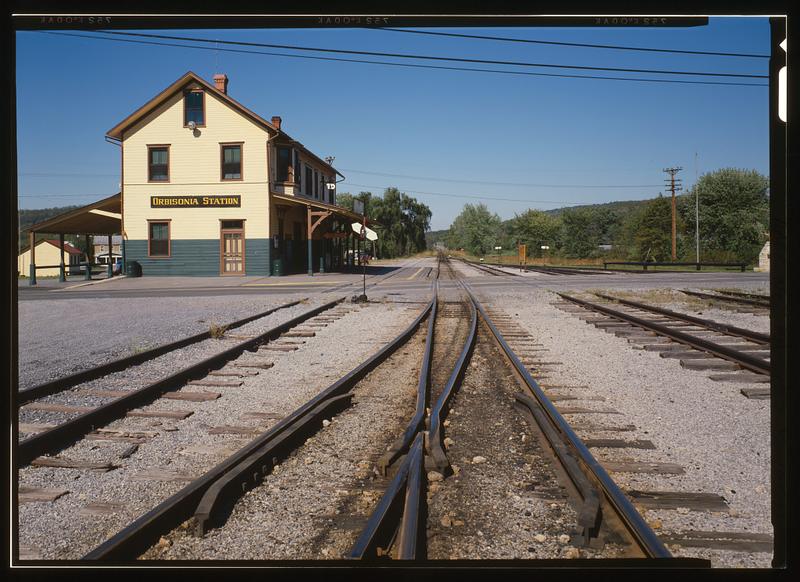
At Rockhill Furnace, the East Broad Top built its renamed Orbisonia station and office building in 1906, one of the improvements made under Robert S. Seibert. Seibert came back to the railroad in June of 1903, toured the line with the management, and by October had been appointed president and general manager of both the East Broad Top and the Rockhill Iron and Coal Company. Welch's 1909 history of Mount Union says he had been the company's first ticket agent at Mount Union, in 1874.
Seibert ordered the entire road relaid with heavier rail between 1904 and 1909 and the roadbed rebuilt with cinder ballast and oak ties, and in the autumn of 1904 he contracted with the American Bridge Company to replace the largest bridge on the line, the Pogue trestle. Welch, writing while Seibert was still president, said the road had been brought into an almost perfect state, with track in as good condition as the Pennsylvania's.
On September 9, 1904, the Mount Union Times wrote: "the East Broad Top is a narrow-gauge railroad with a broad-gauge president." His tenure ended in 1913.
Sources
Checked 2026-10-30 · County histories and primary sources, read in full
← All stories from Rockhill borough
Have something to add to this story, or a photograph of it? Send it here →
Photographs from Rockhill borough
More from Rockhill borough
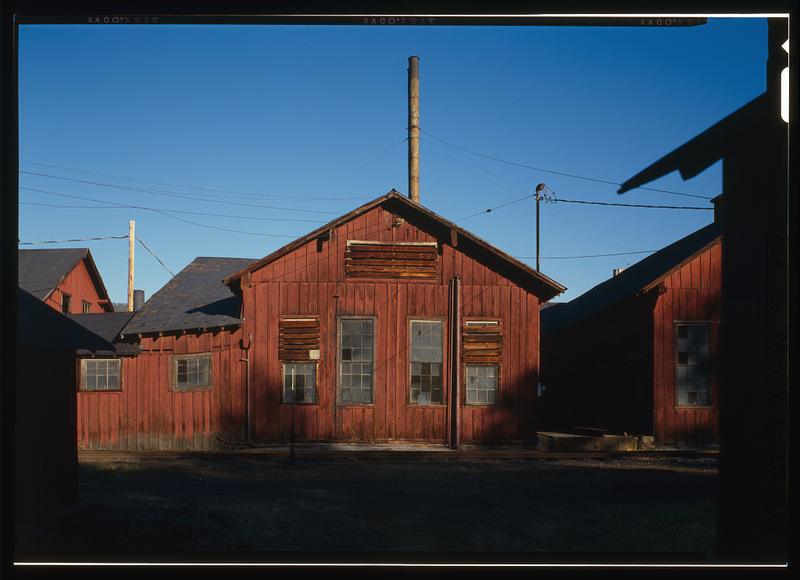
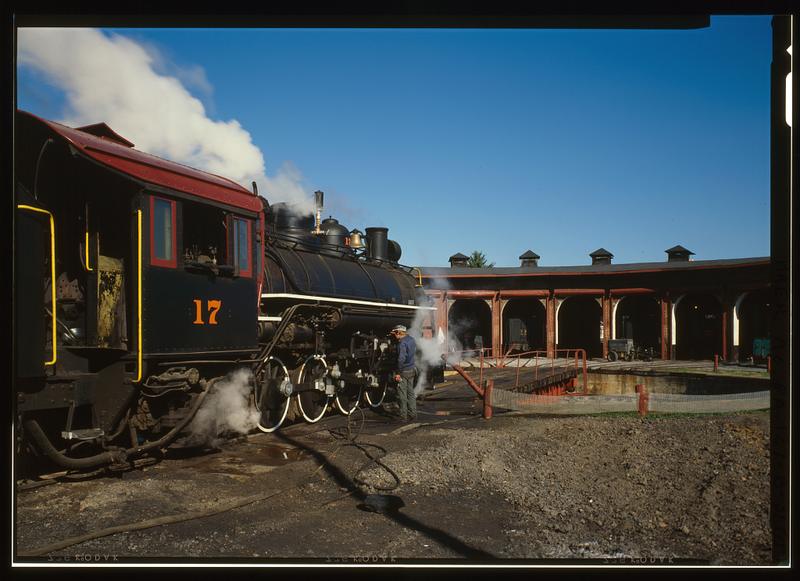
The machine shop at Rockhill Furnace is the building the East Broad Top Railroad used to repair its own locomotives.…
Rockhill borough, East Broad Top RailroadThe East Broad Top Railroad's shops stand on Meadow Street in Rockhill Furnace, a middle point on a three-foot-gauge…
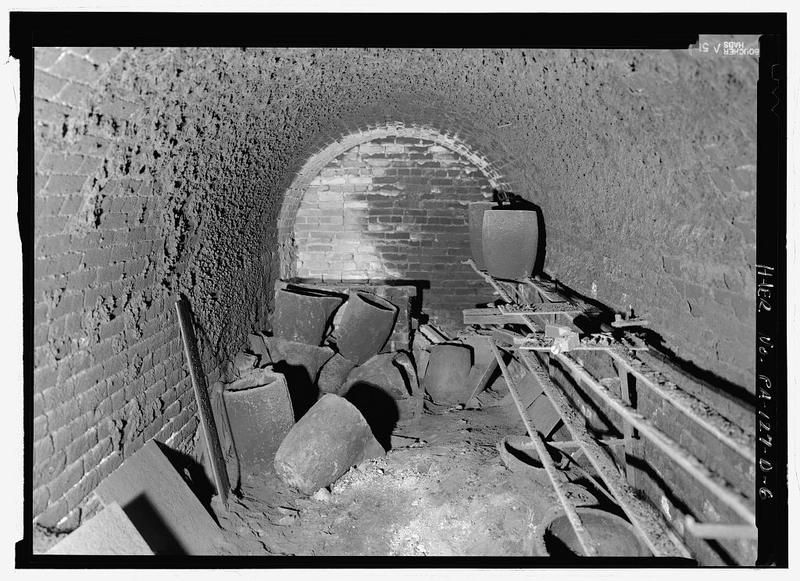
Rockhill borough, East Broad Top Railroad Foundry, Rockhill FurnaceThe foundry at the East Broad Top shops in Rockhill Furnace is where the railroad cast its own iron and brass. The…
Also about County history
William D. Port was born in Petersburg, in Huntingdon County. On January 12, 1968, he was a private first class…
elsewhere in the county, Matilda Furnace's NamesakeDid you know? Samuel Drake came into possession of the 50 acre Ferry tract in 1783, and in 1790 he took up 150 acres…